Communal Area Cleaning in Modern Properties: Standards, Benefits, and Best Practices
Why Communal Area Cleaning Matters
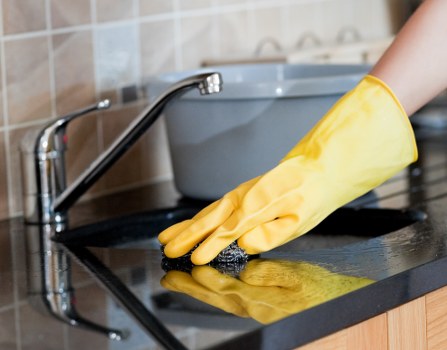
Communal area cleaning plays a major role in how residents, visitors, tenants, and property managers experience a shared building. Whether the space is in an apartment block, office complex, residential estate, student accommodation, or mixed-use property, the condition of hallways, stairwells, lobbies, lifts, and entryways shapes first impressions instantly.
Well-maintained shared spaces are not just about appearance. They support health, safety, hygiene, and long-term property value. Dust, spills, litter, smudges, and frequent foot traffic can quickly make communal zones look neglected if a structured cleaning routine is not in place. This is why regular communal area cleaning is considered essential property care rather than a simple cosmetic task.
In busy buildings, shared surfaces are touched dozens or even hundreds of times each day. Handrails, door handles, elevator buttons, and entrance mats can all collect germs and debris. A consistent cleaning schedule helps reduce the spread of dirt and bacteria while keeping the environment more comfortable and welcoming for everyone who uses it.
What Communal Area Cleaning Includes

When people hear the phrase communal area cleaning, they often think only of sweeping a hallway or emptying bins. In reality, the service can cover a wide range of tasks depending on the building layout, occupancy levels, and expectations of residents or managers.
Typical tasks may include:
- Vacuuming carpets and mats in entrances and corridors
- Mopping hard floors and removing sticky residue
- Dusting skirting boards, ledges, and handrails
- Cleaning glass panels, doors, and mirrors
- Disinfecting high-touch surfaces such as switches and buttons
- Removing litter from shared areas
- Cleaning lifts and staircases
- Wiping down mailboxes, reception desks, and communal furniture
- Refreshing bin stores and waste collection zones
A good cleaning plan is tailored to the actual use of the building. A quiet residential block may only need certain tasks a few times a week, while a high-traffic commercial property may require daily communal area cleaning or even several visits per day.
Key Areas That Need Regular Attention
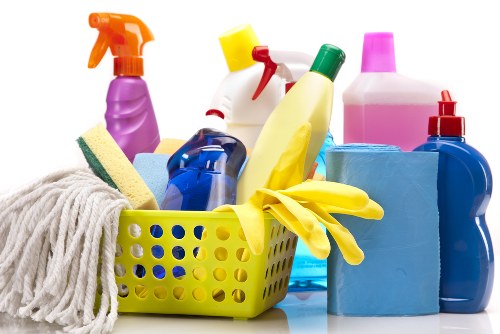
Every property has shared spaces that deserve consistent care, but some areas require more frequent attention than others. These locations are often the first to show signs of wear because they experience repeated use throughout the day.
Entrance lobbies are among the most important areas to clean regularly. They collect outdoor dirt, water, dust, and footprints, especially during wet or windy weather. If an entryway looks dirty, it can affect the entire impression of the property.
Other high-priority zones include:
- Stairwells, where dust and debris tend to collect in corners and along edges
- Lift interiors, which need frequent wiping and sanitising
- Corridors and hallways, where foot traffic leaves marks and litter
- Shared laundry rooms, which can develop lint, spills, and odours
- Bin storage areas, where hygiene management is critical
- Reception and waiting areas, where appearance and cleanliness are closely linked
Health and Hygiene Benefits
Reducing Germs in Shared Spaces
One of the biggest advantages of professional communal area cleaning is the reduction of bacteria and allergens in shared spaces. Because so many people pass through common areas, surfaces can easily become contaminated with germs from shoes, hands, food residue, and packaging waste.
Regular disinfecting of high-touch points helps limit cross-contamination. In buildings where families, older adults, office teams, or vulnerable occupants are present, this becomes even more important. Clean surfaces can support better everyday hygiene and create a more reassuring environment for everyone using the property.
Cleaning also reduces allergens such as dust, pollen, and pet dander. For residents or staff with asthma or sensitivities, a cleaner shared environment can make a noticeable difference in comfort. This is one reason why routine communal area cleaning is often viewed as part of overall wellbeing, not just property upkeep.
Improving Indoor Air Quality
Dust and dirt in shared hallways or corridors can circulate indoors and settle on surfaces throughout the building. Vacuuming, dusting, and mopping help reduce airborne particles and keep the environment fresher. Over time, this can support better indoor air quality, especially in enclosed buildings with limited ventilation.
Appearance and Property Value
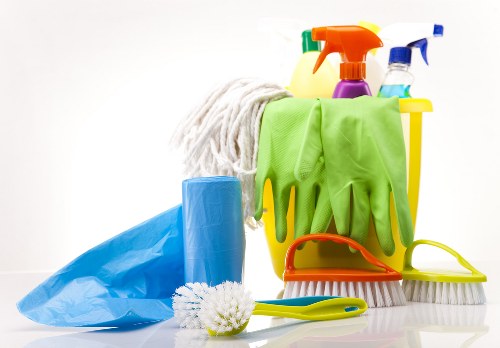
Clean communal spaces can significantly influence how a property is perceived. For landlords, developers, facilities managers, and residents’ associations, presentation matters. A bright, fresh, tidy building creates confidence and makes the entire property feel more cared for.
Communal area cleaning can help protect property value by reducing visible wear and tear. Dirt build-up, scratched floors, stained carpets, and neglected corners can make a building seem older than it is. Regular maintenance helps preserve finishes, fixtures, and flooring for longer, which can reduce the need for expensive repairs or replacements.
There is also a practical financial benefit. When communal spaces are cleaned properly and consistently, the risk of long-term damage is lower. For example, grit and debris can wear down flooring, while spilled liquids can stain carpets or create slip hazards if not handled quickly. Preventive cleaning is often much more cost-effective than restoration work.
First Impressions for Visitors and Residents
People notice the condition of shared areas within seconds. A spotless lobby and polished floor create a sense of order and care, while dirty stairwells or dusty windows can have the opposite effect. This is why many property managers treat communal area cleaning as part of brand reputation and resident satisfaction.
Safety Benefits of Shared Area Cleaning
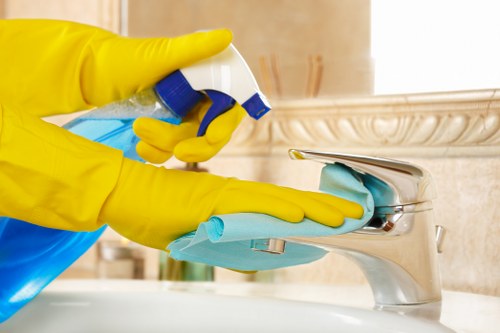
Safety is another major reason to prioritize communal area cleaning. Shared spaces can become hazardous when dirt, moisture, or clutter are left unchecked. A simple spill on a corridor floor or a pile of litter near an exit can create avoidable risks.
Slip and trip hazards are especially common in high-traffic buildings. Water from umbrellas, mud from shoes, loose packaging, and poorly maintained mats can all increase the chance of accidents. A structured cleaning routine helps identify and remove these hazards before they cause injuries.
Cleaning also helps maintain visibility and accessibility. Well-lit, uncluttered communal areas make it easier for residents and visitors to move safely through the building. This is particularly important in stairwells, entry points, and emergency exit routes where clear access must always be maintained.
- Spills can be dealt with promptly
- Floors remain less slippery
- Exit routes stay clear
- Fire safety areas are easier to monitor
- Obstructions are identified early
How Often Should Communal Area Cleaning Be Done?
The right frequency for communal area cleaning depends on the type of property, number of users, and level of activity. There is no universal schedule that suits every building. A small block of flats may require two or three cleaning visits per week, while a busy office or apartment complex may need daily attention.
To determine the best schedule, property managers often consider:
- Foot traffic levels
- Seasonal weather conditions
- Type of flooring and finishes
- Presence of children, elderly residents, or visitors
- Nearby building works or outdoor dust exposure
- Waste generation and bin usage
For example, winter months may require more frequent cleaning because of mud, rainwater, and salt residue brought in from outside. During summer, dust and pollen may become more noticeable. A flexible approach ensures that shared areas remain clean and presentable throughout the year.
Daily, Weekly, and Monthly Tasks
Daily tasks often include high-touch sanitising, litter removal, and floor cleaning in busy zones.
Weekly tasks might include deeper dusting, polishing surfaces, and detailed cleaning of windows or lifts.
Monthly tasks can involve a more thorough review of neglected corners, skirting boards, vents, and bin rooms.
Professional vs In-House Cleaning
Many buildings face the choice between using in-house staff and hiring a professional cleaning company for communal area cleaning. Each option has benefits, but the right decision usually depends on budget, building size, and expectations for quality and consistency.
In-house cleaning may work well for smaller properties or communities with simple needs. However, it can be difficult to maintain the same standards if staff are unavailable, undertrained, or limited by time. Professional cleaners often bring specialised equipment, trained processes, and a structured schedule that supports more reliable results.
Professional services can also offer better flexibility. A company can adjust cleaning frequency, respond to seasonal demands, and address issues quickly. This can be especially useful for larger residential developments, commercial buildings, and managed estates where expectations are high.
What to Look for in a Cleaning Provider
- Experience with communal and shared spaces
- Clear cleaning schedules and service plans
- Attention to detail in high-touch areas
- Use of suitable products for different surfaces
- Reliable communication and reporting
- Commitment to safety and hygiene standards
Best Practices for Effective Communal Area Cleaning
Successful communal area cleaning depends on more than just showing up with a mop and vacuum. It requires planning, consistency, and a clear understanding of the building’s needs. The following best practices can help maintain higher standards over time.
1. Create a cleaning schedule
A written plan helps ensure that no area is overlooked. It also makes it easier to track what has been cleaned and when.
2. Focus on high-touch surfaces
Door handles, railings, switches, and elevator controls should be cleaned often because they are touched repeatedly.
3. Use the right products
Different surfaces require different care. Wood, metal, glass, carpet, and stone all need appropriate treatment to avoid damage.
4. Inspect regularly
Regular checks help identify issues such as staining, rubbish accumulation, broken fixtures, or areas needing extra attention.
5. Adapt to seasonal conditions
Increase frequency during rainy or snowy months and adjust for dustier periods when necessary.
Simple habits that support cleaner communal areas
- Encourage residents to place rubbish in the correct bins
- Use entrance mats to catch dirt at the door
- Report spills or damage quickly
- Keep storage and utility rooms tidy
- Maintain good ventilation where possible
Common Challenges in Communal Area Cleaning
Although shared spaces can be kept clean with the right routine, there are always challenges. Heavy foot traffic can undo cleaning efforts quickly, especially in busy buildings with multiple entrances. Weather, pets, children, deliveries, and waste handling all add to the workload.
Another challenge is inconsistency. If cleaning is done irregularly, dirt and clutter can build up faster than expected. Residents may then feel that standards are slipping, which can lead to complaints and reduced satisfaction. A dependable service helps avoid this problem and keeps expectations aligned.
Some buildings also contain a mix of flooring materials, delicate finishes, and older fixtures that require careful treatment. A professional approach to communal area cleaning should account for these differences so that cleaning improves the space without causing accidental damage.
Overcoming Access and Scheduling Issues
Cleaning shared areas in occupied buildings often requires planning around residents, office workers, or visitors. Early mornings, evenings, or off-peak times may work best depending on the property. Good scheduling reduces disruption while still maintaining a high standard of cleanliness.
How Clean Communal Areas Support Community Wellbeing
A well-kept shared environment can influence how people feel about their building and the people around them. Clean corridors, tidy staircases, and pleasant entrance areas encourage more respect for the space and can even promote better shared responsibility among users.
Communal area cleaning does not just maintain surfaces; it also contributes to a more positive atmosphere. When residents or staff enter a clean building, they are more likely to feel comfortable, valued, and at ease. This matters in apartment blocks where people live closely together and in workplaces where shared first impressions affect morale.
For property managers, this creates an opportunity to strengthen trust. Reliable cleaning shows that the building is being looked after and that people’s comfort has been considered. That can make a meaningful difference in overall satisfaction, renewal decisions, and long-term occupancy.
Encouraging Respect for Shared Spaces
Clean communal areas often inspire people to keep them tidy. When a space already looks cared for, individuals are less likely to litter or leave items behind. In this way, cleaning helps establish a healthier building culture.
Choosing the Right Communal Area Cleaning Plan
Every building has unique needs, so the best communal area cleaning plan should be built around usage, layout, and priorities. The aim is to balance cost, quality, and frequency in a way that keeps the property consistently presentable.
When designing a plan, it helps to ask:
- Which areas receive the most traffic?
- Where do dirt and litter build up the fastest?
- Which surfaces need specialist care?
- Are there safety concerns that require urgent attention?
- How often do residents or tenants expect visible cleaning?
Once these questions are answered, a tailored schedule can be put in place. This might include daily attention for lobbies and lifts, weekly deep cleaning for corridors, and periodic maintenance for windows, vents, and storage areas.
In the end, the best plan is one that keeps the building clean without unnecessary waste of time or resources. That is why many managers choose a flexible service that can scale up or down as conditions change.
Final Thoughts on Communal Area Cleaning
Communal area cleaning is a vital part of property management, hygiene, safety, and presentation. It protects shared environments from dirt, reduces the spread of germs, improves appearance, and supports the long-term value of a building. More importantly, it creates a more pleasant experience for everyone who uses the space.
From entrances and hallways to staircases, lifts, and bin stores, every shared area benefits from regular care. When cleaning is scheduled properly and carried out with attention to detail, the results are visible immediately and beneficial over time. Clean communal spaces help buildings feel more welcoming, more professional, and more enjoyable to use.
If you want to improve the condition of shared areas in your building, contact us today to discuss a cleaning schedule that suits your property. Book your service now and keep your communal spaces fresh, safe, and well maintained.