Deep Cleaning in Modern Homes: What It Is, Why It Matters, and How to Do It Right
Understanding Deep Cleaning in Everyday Life
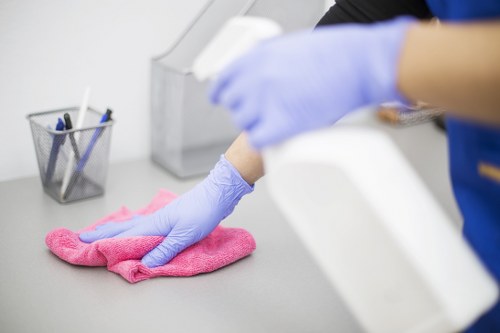
Deep cleaning in a home or business is more than a quick tidy-up. It is a thorough process that removes built-up dirt, dust, grease, grime, and hidden debris from areas that are often overlooked during routine cleaning. While regular cleaning helps maintain appearance, deep cleaning targets the spots that need extra attention to improve hygiene, comfort, and long-term upkeep.
People often search for deep cleaning services when they want a fresh start, are preparing for special events, or simply feel that normal cleaning no longer makes a noticeable difference. In many homes, deep cleaning in high-traffic areas can transform how a space looks and feels. It also helps reduce allergens, eliminate odors, and create a healthier environment for family members, guests, or employees.
One of the biggest benefits of deep cleaning in homes is that it reaches places routine cleaning misses. These may include behind appliances, inside cabinets, baseboards, light fixtures, vents, grout lines, and other hidden surfaces. By targeting these neglected areas, deep cleaning supports better indoor air quality and helps surfaces last longer.
Why Deep Cleaning in Homes and Businesses Is Essential
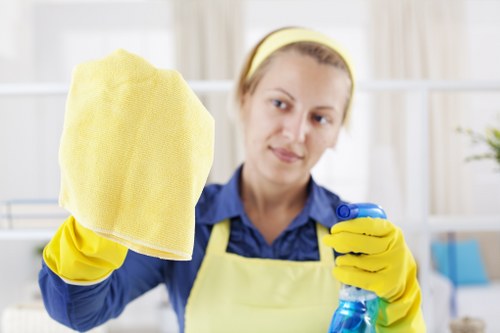
There are several reasons why deep cleaning in residential and commercial spaces is so important. First, dirt and bacteria accumulate gradually, often in places that are not visible at a glance. Second, grease, soap scum, and mineral deposits can become harder to remove over time if they are left untreated. Third, a clean environment contributes to mental clarity and a more pleasant daily routine.
In businesses, deep cleaning in workspaces can influence employee morale, customer impressions, and overall professionalism. A spotless environment suggests care, organization, and attention to detail. In homes, it can make cooking areas safer, bathrooms more sanitary, and bedrooms more restful. Deep cleaning is not just about appearance; it is about creating a space that supports health and productivity.
Many households also use deep cleaning before moving in or moving out. This kind of deep cleaning in empty homes ensures that every corner is addressed before new furniture, boxes, or daily clutter gets in the way. It is also a smart seasonal habit, especially during spring or at the start of a new school year.
How Deep Cleaning in a Space Differs from Regular Cleaning
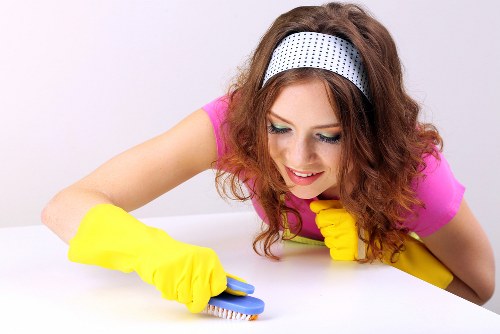
Regular cleaning usually covers visible surfaces and high-use areas, such as wiping counters, sweeping floors, and cleaning bathrooms. Deep cleaning goes further. It is more detailed, more time-consuming, and more methodical. Deep cleaning in kitchens, bathrooms, and living spaces often includes scrubbing, disinfecting, degreasing, and moving items to clean beneath and behind them.
Regular cleaning is about maintenance, while deep cleaning is about restoration. For example, a regular clean might wipe down a countertop, but a deep clean might remove appliances, clean the backsplash, scrub the grout, and polish the fixtures. This distinction matters because a well-maintained property often needs both types of care to stay in top condition.
Understanding this difference helps homeowners, renters, and property managers plan smarter cleaning routines. If your home looks clean but still smells stale or feels dusty, it may be time for deep cleaning in hard-to-reach areas. When done properly, the difference is immediately noticeable in both look and atmosphere.
Key Areas That Need Deep Cleaning in Every Home
Some areas collect more grime than others, which makes them prime targets for deep cleaning. Focusing on these spaces can greatly improve the overall cleanliness of a property.
- Kitchen appliances: Ovens, refrigerators, microwaves, and dishwashers need thorough attention to remove grease and buildup.
- Bathrooms: Showers, tubs, sinks, toilets, tiles, and grout often require heavy-duty scrubbing and disinfecting.
- Baseboards and trim: These surfaces collect dust and scuffs that are easy to miss.
- Windows and blinds: Dust, fingerprints, and streaks can dull natural light.
- Floors and carpets: Deep vacuuming, mopping, and stain removal can restore appearance and freshness.
In addition to these common areas, deep cleaning in closets, vents, and light fixtures can make a surprising difference. Storage spaces gather dust quietly, while vents can circulate particles throughout the property. Light fixtures and ceiling fans also tend to collect grime that affects both air quality and brightness.
Another overlooked area is the space behind furniture. Moving sofas, beds, and shelving during a deep cleaning in living rooms and bedrooms helps remove accumulated dust bunnies, pet hair, and debris. These hidden spots often influence how clean a home truly feels.
Deep Cleaning in Kitchens: Where Hygiene Matters Most

The kitchen is one of the most important places to deep clean because it is where food is prepared, stored, and served. Deep cleaning in kitchens should always include surfaces that come into contact with food, as well as appliances that collect heat, grease, and moisture. This is especially important for households that cook often or entertain frequently.
A proper kitchen deep clean may include degreasing cabinets, sanitizing countertops, scrubbing sinks, cleaning range hoods, and removing crumbs from drawers and corners. The refrigerator should also be cleaned inside and out, including shelves, seals, and storage bins. Deep cleaning in the kitchen can help reduce odors and create a safer, more organized cooking space.
Ovens and stovetops usually need extra attention because baked-on residue can be difficult to remove. Using appropriate products and tools makes the process more effective without damaging surfaces. When handled carefully, deep cleaning can restore shine and improve kitchen efficiency. A cleaner kitchen often inspires better cooking habits, too.
Bathroom Deep Cleaning in Detail
Bathrooms require regular upkeep, but they also need periodic deep cleaning in bathrooms to maintain hygiene. Moisture, soap scum, mildew, and bacteria can build up quickly in this environment. A shallow clean may make the space look acceptable, but it often fails to remove hidden grime.
Deep cleaning bathrooms typically involves scrubbing tile grout, disinfecting toilets, polishing faucets, cleaning mirrors, removing limescale, and treating shower doors. It may also include washing bath mats, wiping behind the toilet, and cleaning exhaust fans. These details matter because bathrooms are high-use spaces where cleanliness directly affects comfort and health.
Deep cleaning in showers and tubs can be especially valuable if water stains or mildew have started to appear. Using the right products and allowing enough dwell time helps loosen residue and makes scrubbing easier. The result is a bathroom that feels brighter, fresher, and more inviting.
Deep Cleaning in Living Areas for Comfort and Freshness
Living rooms, dens, and family rooms are often the heart of the home, which makes deep cleaning in living areas an important part of maintaining a comfortable environment. These spaces collect dust on electronics, furniture, décor, and fabrics. They also see constant foot traffic, which can bring in outdoor dirt and allergens.
A thorough living room deep clean may include vacuuming upholstery, dusting shelves, washing throws, cleaning under cushions, and wiping down remote controls or other shared items. Carpets and rugs can benefit from professional extraction or intensive spot treatment. Deep cleaning in fabric-heavy rooms often has a major impact on the smell and overall feel of the home.
Windows, blinds, ceiling fans, and baseboards should not be ignored either. These details may seem small, but they influence how polished and welcoming a room appears. When a living area is deeply cleaned, it becomes more relaxing, more presentable, and more enjoyable for everyday use.
Bedrooms and Deep Cleaning in Personal Spaces
Bedrooms should feel calm, fresh, and restful, but dust and clutter can quickly disrupt that feeling. Deep cleaning in bedrooms usually focuses on removing dust from surfaces, washing bedding, vacuuming under furniture, and clearing items that accumulate on nightstands or dressers. Because people spend many hours sleeping in these rooms, air quality and cleanliness are especially important.
Mattresses and pillows often benefit from regular attention during a deep clean. Vacuuming the mattress surface, rotating it if recommended, and using fabric-safe freshening methods can help improve comfort. Closets also deserve attention because they gather dust, lint, and forgotten items. Deep cleaning in closets and storage spaces can make a room feel more open and organized.
For children’s bedrooms, the process may also include sanitizing toys, wiping surfaces, and sorting out items that are no longer needed. A clean bedroom supports better sleep and easier daily routines. In many homes, this is one of the most satisfying spaces to deep clean because the results are so noticeable.
Tools and Products That Support Deep Cleaning in Any Space
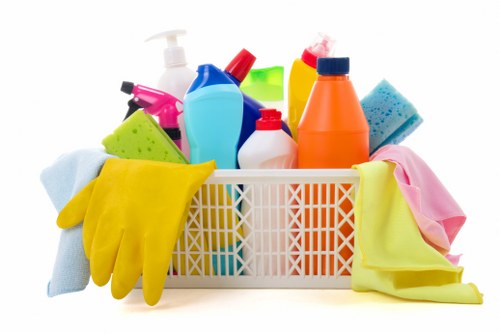
Using the right tools can make deep cleaning in homes and commercial spaces far more efficient. While the exact supplies depend on the surface and level of buildup, there are several essentials that help complete the job effectively.
- Microfiber cloths: Great for trapping dust and reducing streaks.
- Scrub brushes: Useful for grout, tile, tubs, and other textured surfaces.
- Vacuum with attachments: Helps reach corners, upholstery, vents, and under furniture.
- Mop and bucket: Essential for hard floors and disinfecting solutions.
- All-purpose and surface-specific cleaners: Support grease removal, sanitizing, and polishing.
- Protective gloves: Useful when working with strong cleaners or dirty surfaces.
Choosing products carefully matters. A product that works well on glass may not be safe for stone or wood. Before beginning deep cleaning in delicate areas, always check labels and test a small area if needed. This helps avoid discoloration, damage, or unnecessary wear.
Eco-friendly products can also be effective for many tasks. Vinegar, baking soda, and plant-based cleaners are popular choices for people who want to reduce harsh chemical use. When matched to the right surface, these tools support a safer and more sustainable cleaning routine.
How Often Should Deep Cleaning in a Home Be Done?
The ideal schedule for deep cleaning in a home depends on lifestyle, household size, pets, allergies, and how often spaces are used. In general, many homes benefit from a seasonal deep clean, meaning about four times per year. However, high-traffic homes may need it more often.
Homes with children or pets often require more frequent attention because messes build up quickly. Likewise, households with allergy concerns may benefit from deeper cleaning on a monthly or bi-monthly basis in key areas such as bedrooms, carpets, and vents. Deep cleaning in allergy-prone homes can reduce dust and improve comfort throughout the year.
A practical approach is to combine regular cleaning with scheduled deep cleaning tasks. This keeps maintenance manageable and prevents buildup from becoming overwhelming. By staying consistent, you can preserve your space and avoid last-minute scrubbing before guests arrive or major events take place.
Seasonal Deep Cleaning in Homes and Offices
Seasonal cleaning is one of the best times to focus on overlooked areas. Deep cleaning in spring is especially popular because it follows months of indoor activity and prepares the space for brighter weather. The same idea applies in fall, when people often want to reset their homes before the holiday season.
In office settings, seasonal deep cleaning can include cleaning blinds, sanitizing shared equipment, and refreshing common areas. It can also help remove dust from less visible parts of the workplace that regular maintenance may not address. Deep cleaning in seasonal routines supports a cleaner environment without requiring constant intensive effort.
Seasonal timing also gives people a natural reminder to declutter, organize, and evaluate the condition of their belongings. That combination of cleaning and sorting can make a property feel renewed. When done consistently, seasonal deep cleaning becomes easier to maintain and more effective over time.
Professional Deep Cleaning in Comparison to DIY Cleaning
Some people prefer to handle deep cleaning in their own homes, while others choose professional help. Both options have value. DIY cleaning can be cost-effective and flexible, especially for smaller tasks or routine maintenance. It also gives you full control over products and timing.
Professional deep cleaning services, on the other hand, often bring specialized equipment, stronger techniques, and more experience with tough buildup. They may be especially useful for large homes, busy households, post-renovation cleanup, or spaces that have not been cleaned thoroughly in a long time. Deep cleaning in professional settings can save time and reduce physical strain.
The best choice often depends on the condition of the property and the level of detail needed. Many people use a hybrid approach: they handle day-to-day upkeep themselves and schedule periodic professional deep cleaning for areas that need extra attention. This strategy can be efficient, practical, and budget-friendly.
Preparing for Deep Cleaning in Advance
Preparation makes deep cleaning in any space much easier. Before starting, it helps to declutter surfaces, gather supplies, and decide which rooms need the most attention. This avoids interruptions and keeps the process moving smoothly.
It is also smart to open windows if weather allows, especially when using stronger products. Good ventilation helps reduce odors and improves comfort during the cleaning process. For larger tasks, creating a simple checklist can keep the work organized and ensure that nothing gets missed.
When deep cleaning an entire home, many people find it helpful to work room by room. This makes the workload feel more manageable and allows for better focus. A clear plan often leads to better results and less frustration.
Common Mistakes to Avoid During Deep Cleaning in Homes
Even with the best intentions, some mistakes can reduce the effectiveness of deep cleaning in homes and offices. One common issue is rushing through the job. Deep cleaning requires time, patience, and attention to detail. Skipping dwell time for cleaning products can also limit results, especially on grease or soap buildup.
Another mistake is using the wrong product on a surface. Harsh cleaners may damage wood, stone, or specialty finishes. It is always better to check instructions before applying anything. Deep cleaning in sensitive areas should be approached carefully to protect surfaces and avoid costly repairs.
Ignoring hidden spots is another frequent problem. Behind toilets, under furniture, on top of cabinets, and inside appliance seals are all easy to overlook. A true deep clean addresses both visible and hidden areas so that the improvement is lasting rather than temporary.
How Deep Cleaning in Homes Supports Health and Wellbeing
A clean environment affects more than appearance. Deep cleaning in homes can support physical health, emotional comfort, and even better sleep. Dust, pet dander, mold particles, and other contaminants can accumulate over time, especially in carpets, upholstery, and vents. Removing them can help improve air quality.
For people with sensitivities, regular deep cleaning may reduce sneezing, irritation, and discomfort. For families, it can make common areas safer and more pleasant. Clean spaces also tend to feel calmer and easier to enjoy, which can improve daily routines. Deep cleaning in personal environments is often a practical step toward a healthier lifestyle.
There is also a psychological benefit. Many people feel more relaxed, focused, and motivated after a thorough clean. That refreshed feeling can encourage organization, better habits, and a stronger sense of control over the environment. In that way, deep cleaning contributes to both physical and mental well-being.
Final Thoughts on Deep Cleaning in Modern Spaces
Deep cleaning in homes, offices, and shared spaces is a valuable part of maintaining comfort, hygiene, and long-term property care. Whether you are tackling kitchen grease, bathroom grime, dusty vents, or neglected corners, the effort pays off in visible and lasting ways. It creates a more welcoming atmosphere and helps protect the condition of the space.
By combining regular cleaning with periodic deep cleaning in key areas, you can keep your environment fresher, safer, and more enjoyable. The process may take time, but the results are worth it. Cleaner surfaces, better air quality, and a more organized space all contribute to a better experience every day.
If your home or workplace is ready for a reset, now is the perfect time to take action. Contact us today to discuss your cleaning needs, or book your service now to get started on a space that feels renewed from top to bottom.