Domestic Cleaning: A Practical Approach to a Cleaner, Healthier Home
Why Domestic Cleaning Matters in Everyday Life
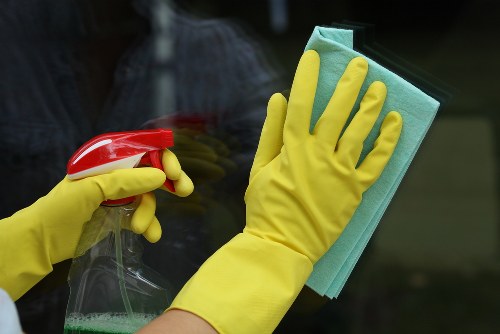
Domestic cleaning is more than just keeping a house looking neat. It supports a healthier indoor environment, reduces stress, and makes daily routines feel smoother and more manageable. When your living space is clean, it becomes easier to relax, focus, and enjoy time at home.
Many people think of household cleaning as a weekend chore, but consistent domestic cleaning creates long-term benefits. Dust, grime, and clutter build up quickly, and regular upkeep helps prevent bigger messes from forming. That means less time spent on heavy scrubbing and more time enjoying a tidy space.
In busy households, cleaning often gets pushed to the bottom of the list. However, a smart approach to domestic cleaning can make the process simpler. By breaking tasks into smaller steps and focusing on high-use areas, homeowners can maintain a fresh home without feeling overwhelmed.
What Domestic Cleaning Includes
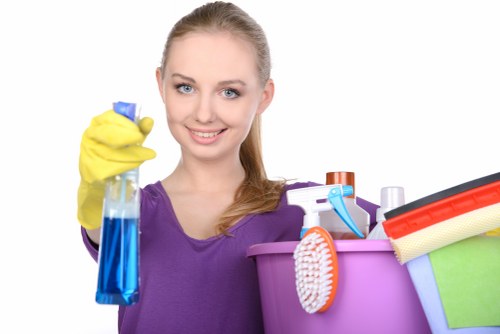
Domestic cleaning covers a broad range of household tasks, from routine dusting to deeper sanitation. It typically includes cleaning kitchens, bathrooms, bedrooms, living rooms, and shared areas. A well-planned domestic cleaning routine also addresses surfaces that people often overlook, such as skirting boards, switches, handles, and behind furniture.
Common domestic cleaning tasks may include:
- Vacuuming and sweeping floors
- Mopping hard surfaces
- Dusting shelves, furniture, and décor
- Cleaning sinks, taps, and counters
- Scrubbing toilets, showers, and tubs
- Wiping mirrors and glass surfaces
- Emptying bins and replacing liners
- Sanitising frequently touched areas
While some tasks are quick and repetitive, others require more time and attention. The key is to create a system that suits the size of the property, the number of people living there, and the daily level of use.
Benefits of Regular Domestic Cleaning

One of the biggest benefits of regular domestic cleaning is improved hygiene. Dust, pet hair, food residue, and moisture can all contribute to unpleasant odours and bacteria growth. Keeping up with cleaning reduces these problems and supports a more comfortable home atmosphere.
Another advantage is better indoor air quality. When surfaces and carpets are regularly cleaned, fewer allergens circulate through the home. This can be especially helpful for households with children, older adults, or anyone sensitive to dust and pollen.
There is also a strong emotional benefit. A well-organised, clean space can make everyday life feel calmer and more structured. Clean rooms often create a sense of control, which can improve focus and reduce the mental load that comes with clutter.
Other advantages include:
- Less time spent on major deep cleaning later
- Better preservation of furniture and fittings
- Fewer pest-related issues
- A more welcoming environment for guests
- Improved overall comfort and wellbeing
Domestic Cleaning Tasks by Room
Each area of a home needs a slightly different cleaning approach. Understanding the priorities of each room makes domestic cleaning more effective and efficient.
Kitchen Cleaning
The kitchen is often the busiest room in the house and one of the most important to keep clean. Food splashes, grease, crumbs, and spills can build up quickly. A good kitchen routine should include wiping worktops, cleaning appliances, sanitising sinks, and mopping floors.
High-touch areas such as cupboard handles, fridge doors, and light switches should also be cleaned regularly. If neglected, the kitchen can become a source of odours and bacteria, which is why consistent domestic cleaning matters so much here.
Bathroom Cleaning
Bathrooms need frequent attention because they are exposed to moisture and everyday use. Scrubbing toilets, disinfecting sinks, polishing taps, and removing limescale are all part of proper bathroom care. Mirrors, tiles, and shower screens should be wiped down to prevent soap scum and watermarks.
Domestic cleaning in the bathroom also helps prevent mould and mildew. Ventilation is just as important as scrubbing, so opening windows or using extractor fans can make a noticeable difference.
Living Room Cleaning
The living room often acts as a relaxing and social area, so keeping it tidy improves the overall feel of the home. Dusting shelves, vacuuming rugs, fluffing cushions, and wiping remote controls all contribute to a cleaner space.
This is also a good place to reduce clutter. Books, toys, blankets, and electronics can quickly make a room feel busy. A neat living room supports easier maintenance and makes domestic cleaning faster in the long run.
How to Build an Effective Domestic Cleaning Routine
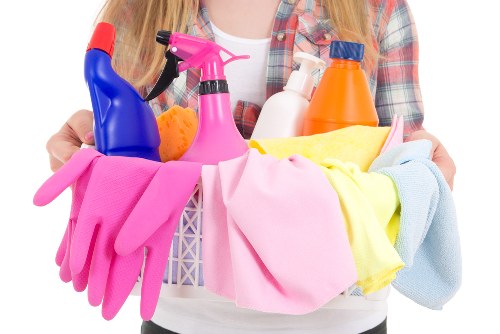
Creating a reliable cleaning routine is one of the best ways to stay on top of household tasks. Rather than trying to do everything at once, it helps to divide domestic cleaning into daily, weekly, and monthly jobs.
Daily Tasks
Daily tasks are the small actions that prevent mess from spreading. These might include making beds, wiping kitchen counters, washing dishes, and doing a quick floor sweep. Even 10 to 20 minutes a day can make a noticeable impact.
Examples of simple daily cleaning habits
- Put items back in their place after use
- Wipe spills immediately
- Take out full bins
- Do a quick bathroom wipe-down
- Run a vacuum in high-traffic areas if needed
Weekly Tasks
Weekly cleaning usually handles more noticeable dirt and dust. This is the time for vacuuming entire floors, mopping hard surfaces, cleaning bathrooms thoroughly, and refreshing bedding and towels. A weekly system keeps the home looking cared for and reduces the need for heavy cleaning later.
Monthly Tasks
Monthly tasks focus on areas that are easy to forget, such as skirting boards, windowsills, ceiling corners, behind appliances, and inside cupboards. These deeper jobs are an important part of domestic cleaning because they stop hidden dirt from building up over time.
Domestic Cleaning Tools and Products That Make a Difference
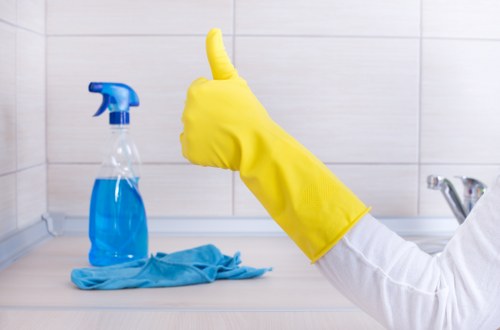
Using the right tools can make domestic cleaning more efficient and less tiring. A quality set of cleaning supplies reduces the time spent repeating tasks and improves results. Basic essentials usually include microfiber cloths, a vacuum cleaner, mop, bucket, all-purpose cleaner, glass cleaner, sponges, and protective gloves.
Microfiber cloths are especially useful because they trap dust instead of spreading it around. A good vacuum with attachments can reach corners, stairs, upholstery, and awkward gaps. If the home has hard flooring, a reliable mop and floor-safe cleaner are important for keeping surfaces fresh.
Cleaning products should always be used according to label instructions. Stronger is not always better. In fact, using the wrong product can damage delicate materials or leave residue behind. Choosing the right cleaner for each surface is a smart way to protect your home while making domestic cleaning easier.
Natural and Chemical Cleaning Options
Many households prefer a mix of natural and commercial cleaners. Vinegar, baking soda, and mild soap can be useful for some tasks, while disinfectants and specialty products are better for tougher jobs. The best approach depends on the surface, the level of grime, and your cleaning goals.
For example, kitchen grease may need a stronger degreaser, while glass and mirrors benefit from streak-free formulas. Bathrooms often require disinfecting products to reduce germs and soap build-up. Choosing thoughtfully helps improve the quality of domestic cleaning without unnecessary waste.
Time-Saving Domestic Cleaning Tips for Busy Households
Busy schedules do not have to mean a messy home. With a few practical strategies, domestic cleaning can fit into everyday life more naturally. The key is consistency and making tasks as easy as possible to repeat.
Start by cleaning as you go. If you cook, wash utensils and wipe surfaces while food is being prepared. If you get dressed in the morning, place items back where they belong instead of leaving them out. These small habits reduce clutter and keep larger jobs from piling up.
Another effective strategy is to focus on one room at a time. This prevents the feeling of being pulled in too many directions and allows you to complete one area properly before moving on. A room-by-room approach works especially well for families and shared homes.
Other useful time-saving ideas include:
- Keeping cleaning supplies in each major area of the house
- Using a timer to create short cleaning bursts
- Doing high-traffic zones more often than low-use spaces
- Involving all household members in age-appropriate chores
- Decluttering regularly so cleaning surfaces is quicker
With the right structure, domestic cleaning becomes less of a burden and more of a manageable routine.
Deep Cleaning vs Routine Domestic Cleaning
Routine cleaning and deep cleaning are both important, but they serve different purposes. Routine domestic cleaning keeps a home tidy on a day-to-day basis, while deep cleaning reaches areas that do not need constant attention but still require periodic care.
Routine Cleaning
Routine cleaning focuses on visible surfaces and frequent tasks. This includes dusting, vacuuming, mopping, sanitising counters, and clearing clutter. It is the backbone of home maintenance and helps prevent dirt from becoming embedded.
Deep Cleaning
Deep cleaning takes things further by addressing hidden or neglected areas. This can include cleaning behind furniture, scrubbing grout, washing windows, cleaning vents, and removing built-up grease. It is more thorough and usually takes longer than regular domestic cleaning.
Both types are important because they support each other. Routine maintenance keeps the home under control, while deep cleaning restores neglected areas and helps the space feel refreshed. A balanced approach is the most effective way to keep a home in good condition.
Domestic Cleaning for Families, Pet Owners, and Shared Homes
Different households have different cleaning needs. Families with children often deal with toys, sticky surfaces, fingerprints, and frequent spills. Pet owners may need to manage fur, dander, odours, and muddy paw prints. Shared homes, meanwhile, usually need clear responsibilities and good communication.
In family homes, domestic cleaning should focus on flexibility and practicality. It helps to have simple storage systems so toys, books, and clothes can be put away quickly. Child-friendly cleaning routines also teach good habits and make everyone feel part of the process.
For pet owners, vacuuming more often and washing pet bedding regularly can make a major difference. Lint rollers, upholstery tools, and pet-safe cleaners are valuable additions to the cleaning toolkit. Domestic cleaning in these homes should always consider the safety of animals as well as the freshness of the environment.
In shared properties, clear task-sharing can prevent conflict. A written schedule, rotating jobs, or a weekly reset can keep everyone accountable. When cleaning responsibilities are agreed in advance, the home stays cleaner and tensions are lower.
When to Consider Professional Domestic Cleaning
Some households are able to manage cleaning independently, while others benefit from professional help. Hiring professionals can be a practical choice when time is limited, the property is large, or certain cleaning tasks require specialist equipment.
Professional domestic cleaning is often useful before moving in or out, after renovations, during busy life stages, or when a home needs a deep refresh. It can also support people who may find physical cleaning difficult due to age, illness, or mobility issues.
Professional services can cover everything from routine upkeep to detailed deep cleaning. Depending on the arrangement, they may include kitchen cleaning, bathroom sanitation, dust removal, floor care, and more targeted tasks. For many people, this makes domestic cleaning easier to manage and less stressful overall.
If you are considering outside help, look for a service that matches your home’s needs and cleaning preferences. Book your service now if your goal is to save time, reduce stress, and enjoy a consistently well-kept home.
How Domestic Cleaning Supports a Better Lifestyle
A clean home does more than look presentable. It shapes the way people live, think, and interact with their space. Good domestic cleaning contributes to healthier routines, clearer thinking, and a stronger sense of comfort at home.
When rooms are tidy and surfaces are clean, it becomes easier to cook, rest, work, and spend time with family. A well-kept home also helps reduce embarrassment and makes hosting guests feel much easier. Even small improvements can have a big effect on daily living.
There is also a long-term value to maintaining a clean property. Regular cleaning can help extend the life of carpets, flooring, appliances, and furniture. That means domestic cleaning is not only about appearance; it is also about protecting your investment in the home.
If you want a more peaceful living environment, start with a few manageable habits and build from there. Contact us today to take the next step toward a fresher, more organised home environment.
Common Mistakes to Avoid in Domestic Cleaning
Even with good intentions, it is easy to fall into habits that make cleaning less effective. One common mistake is using the same cloth for multiple surfaces without rinsing it or changing it out. This can spread dirt and bacteria instead of removing them.
Another issue is neglecting high-touch areas. Door handles, switches, remote controls, and taps are touched constantly, yet they are often forgotten in regular domestic cleaning. These areas should be included in the routine because they can quickly collect germs.
Rushing through the process is another problem. It is better to clean thoroughly in small sections than to hurry and miss areas. Similarly, using too much product can leave sticky residue and attract more dirt later. Better technique often matters more than stronger products.
Finally, many people ignore clutter before cleaning. Surfaces full of items are harder to dust and wipe properly. Clearing spaces first makes domestic cleaning faster, more thorough, and less frustrating.
Making Domestic Cleaning Easier to Sustain
The most effective domestic cleaning routine is the one you can actually keep up with. That usually means setting realistic expectations and creating habits that fit your lifestyle. A home does not need to be perfect every day, but it should be regularly cared for.
Start small and stay consistent. Choose a few priority tasks and build from there. Once those feel manageable, add more. This gradual approach prevents burnout and helps cleaning become part of normal household life instead of an overwhelming project.
It also helps to track what works. If mornings are too busy, move cleaning tasks to evenings. If weekends are packed, spread jobs across the week. A flexible routine is easier to maintain than a rigid one, especially in households with changing schedules.
Domestic cleaning becomes much simpler when it is treated as an ongoing system rather than a one-time event. A steady routine leads to a fresher home, less stress, and a cleaner space that feels comfortable every day.
Final Thoughts
Whether you manage your own household chores or use professional support, domestic cleaning plays a vital role in everyday comfort and wellbeing. It improves hygiene, supports better organisation, and helps create a home that feels welcoming and calm. With the right habits, tools, and mindset, keeping your home in good shape becomes far more achievable.
If you are ready to improve your living space and make household upkeep easier, take action now. Book your service now or Contact us today to move toward a cleaner home and a simpler routine.